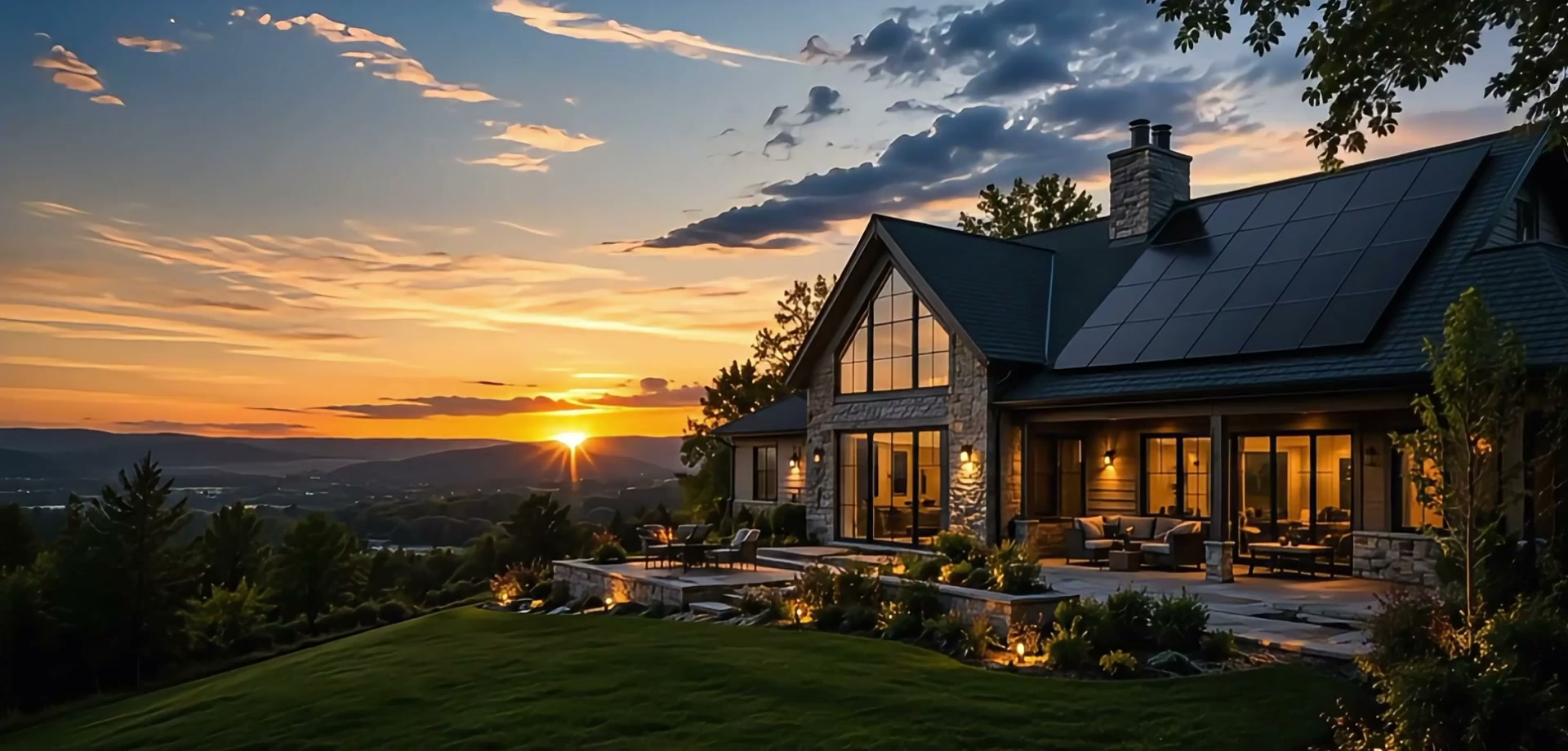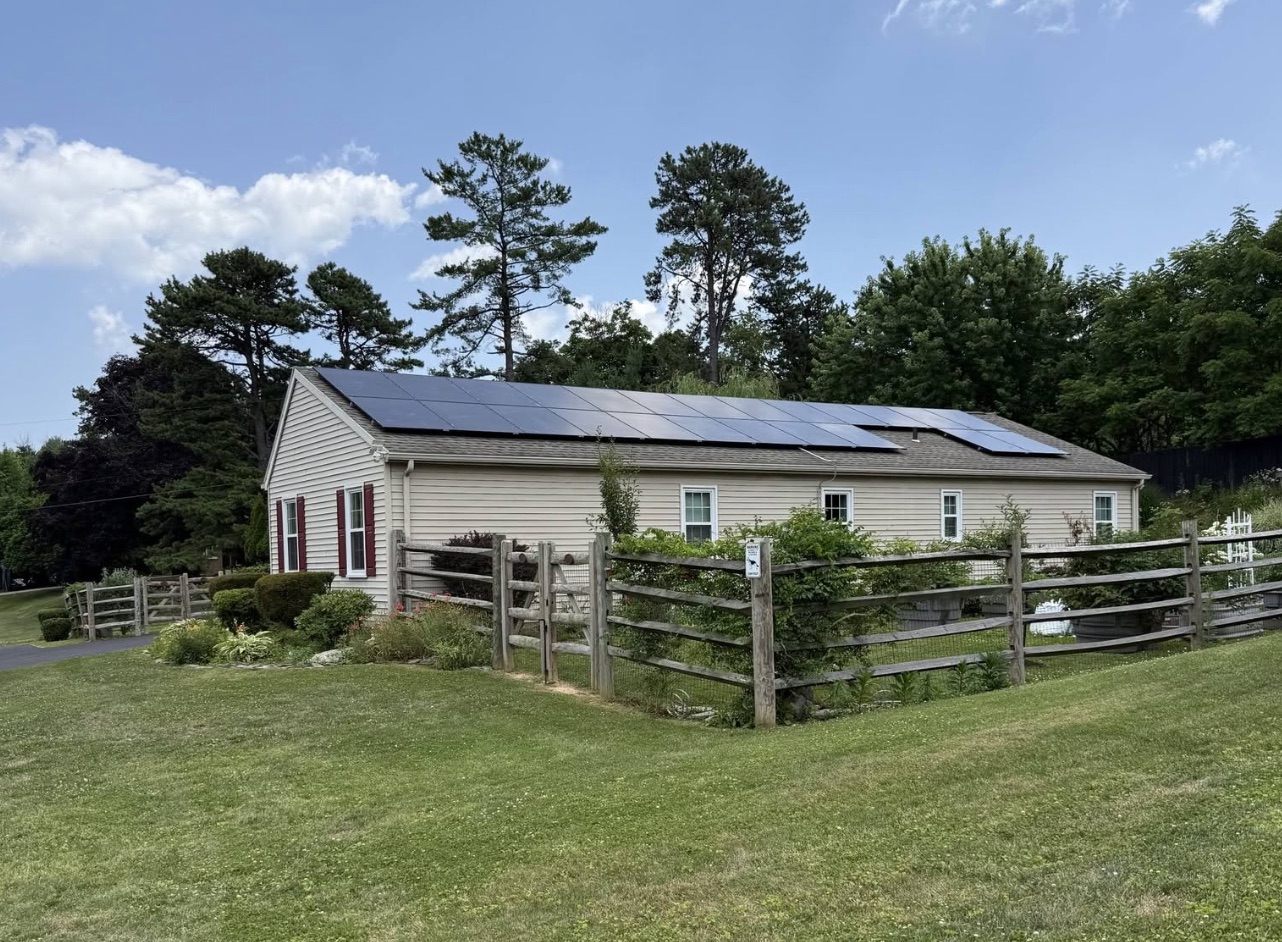
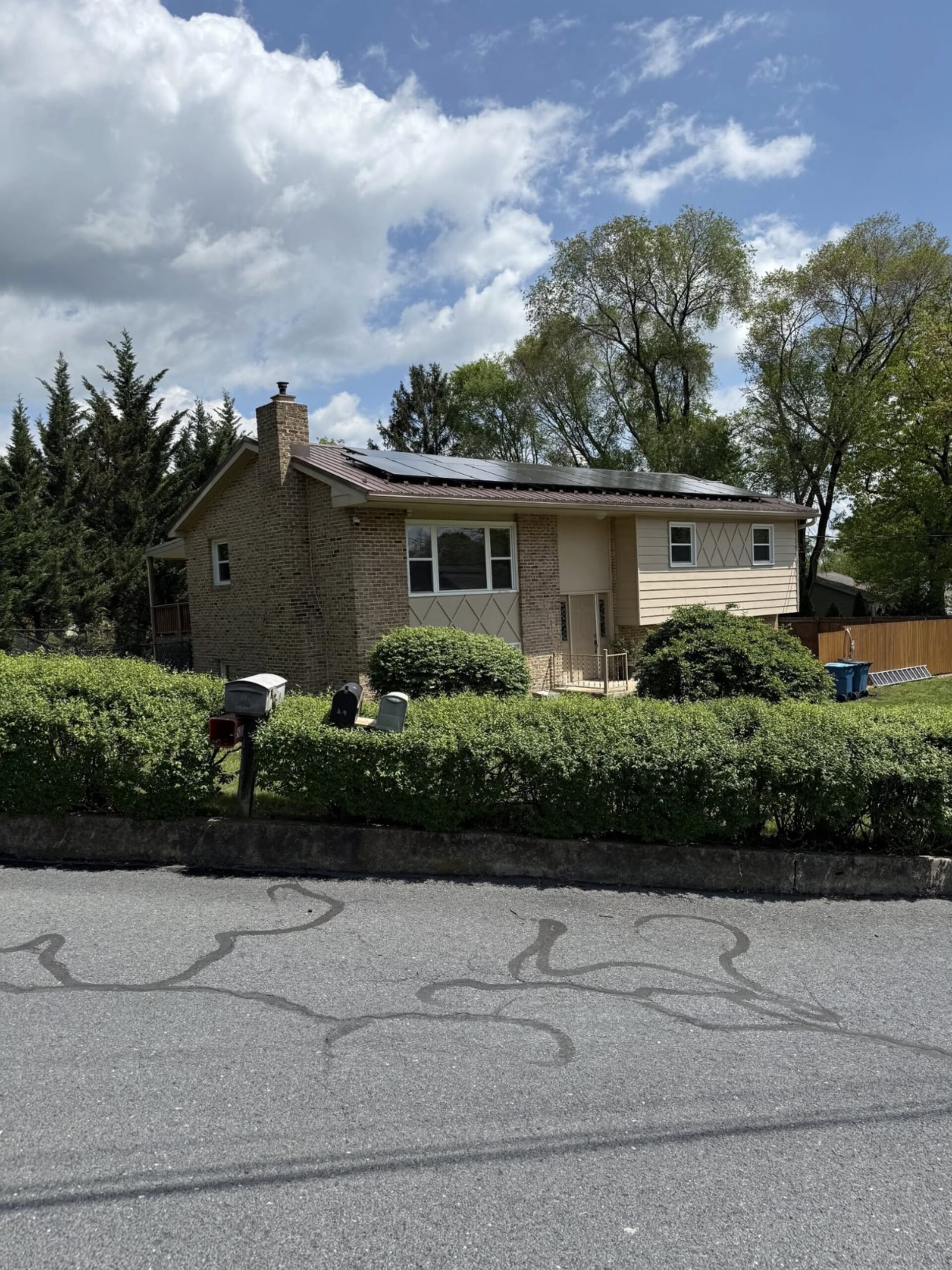
York County homeowners are watching the same rising electric bills as the rest of Pennsylvania, and more of them are asking whether solar makes sense here. It often does, but the details are local. Here is a practical guide to what actually matters if you are in York, Hanover, Dallastown, Red Lion, Dillsburg or anywhere in between.
Who Is Your Utility?
Most of York County is Met-Ed territory. PPL serves a handful of municipalities along the Susquehanna (Hellam, Lower Windsor and Fairview townships, plus Wrightsville and East Prospect), and Adams Electric Cooperative serves parts of western and southern York County. That matters because each sets its own rates and its own rules for connecting solar. The first step in any honest evaluation is confirming your utility and your current all-in rate, both the supply and distribution halves of your bill. We break that down in PPL vs. Met-Ed vs. PECO.
How Net Metering and Permitting Work Here
For Met-Ed and PPL customers, Pennsylvania's net metering rules apply: the surplus power your roof sends to the grid earns credits that offset what you pull back later. If you are an Adams Electric member, the co-op sets its own terms, and new solar there is currently credited under net billing rather than net metering, so check with the co-op first. Permitting, on the other hand, is local. A solar project in York County involves your municipality's permitting process and an electrical inspection, followed by your utility's interconnection approval and permission to operate. A good installer handles that paperwork for you, but it is worth knowing the system does not switch on until the utility signs off.
What Decides Whether a York County Home Qualifies
- Roof. Age, condition, orientation and pitch. York County's mix of older farmhouses, mid-century homes and newer developments means roofs vary a lot, and a roof near the end of its life should be addressed first.
- Shade. Mature trees are common in the county's established neighborhoods and are the single most frequent reason a home does not pencil out. Shade has to be measured, not guessed.
- Transformer and interconnection capacity. Your home connects to a local utility transformer, and in some older or rural parts of the county that transformer may already be near capacity. If it is, the utility will not approve the interconnection, so this is worth checking early rather than late.
- Usage. A system is sized to your household's actual consumption, so your past year of bills shapes the design.
The fundamentals are the same everywhere. Which utility you are on, how much shade you have, and whether the local grid has room are what make it local.
Why Now, in York County
Pennsylvania rates keep climbing, and York County homeowners feel it the same as everyone else. Met-Ed's residential supply rate rose to about $0.14 per kWh in June 2026 and to about $0.144 with its December 1 change, and the broader pressure on the grid, including new data center demand statewide, is not letting up. Solar lets you replace a large share of that rising, unpredictable cost with a fixed one. If you have looked at solar before and passed, the rate picture today is different from a few years ago.
The $0-Down Option
Many York County homeowners go solar with no upfront cost, paying for the power the system produces instead of buying the equipment. Whether that is the right choice depends on your situation, and we lay out the tradeoffs honestly in is $0-down solar too good to be true.
See the Numbers for Your Home
The only way to know if solar works for your York County home is a design based on your actual roof, your shade, your utility and your usage. It is free, there is no pressure, and if your home is not a good fit, we will tell you that plainly.