If your electric bill has climbed recently, you are not imagining it and you are not alone. Across Pennsylvania, homeowners are opening bills that are noticeably higher than a year ago, in houses where nothing much changed.
That is the part that catches people off guard. The increase is not coming from how much electricity they are using. It is coming from what electricity costs.
It's the Price, Not the Usage
There are a few things going on at once.
Utilities across the state have been requesting rate increases, and many of those requests have been approved. At the same time, the underlying cost of generating and delivering electricity has gone up. As demand grows and infrastructure costs rise, those changes get passed through to households in the form of higher bills.
Reporting across Pennsylvania has consistently pointed in the same direction: this is not a temporary blip, and the pressure on electricity prices has continued into 2026.
Which means the usual advice — turn off some lights, run the dishwasher at night — is not wrong, exactly. It is just aimed at the wrong variable. You can shave your usage. You cannot shave the rate.
What's Actually on Your Bill
Most people look at one number: the amount due. But that number is assembled from parts that move independently, and knowing which part moved is the difference between understanding your bill and just being annoyed by it.
The four things you're paying for
- Supply (or generation). The cost of the electricity itself. In Pennsylvania this is the piece you are allowed to shop for, and it is often labeled the Price to Compare.
- Distribution and delivery. What it costs to move that power over poles and wires to your house. This stays with your utility whether or not you switch suppliers.
- The fixed customer charge. A flat monthly amount you owe for being connected at all, regardless of how much you use.
- Riders and adjustments. Smaller line items that change on their own schedules under their own approvals.
Pull out two bills twelve months apart and compare these line by line. It usually becomes obvious very quickly which one moved.
Why It Feels Random When It Isn't
One month looks normal. The next jumps, apparently for no reason. That inconsistency is what makes the whole thing feel arbitrary, but there are usually concrete explanations:
- Weather. Extreme cold and extreme heat both drive real usage spikes, and Pennsylvania delivers both.
- Billing cycle length. Not every cycle is the same number of days. A 34-day cycle after a 28-day one produces a bigger bill from identical daily habits.
- When a rate change lands. If a new rate takes effect partway through a cycle, that bill is a blend of two rates and neither number quite matches what you expected.
- Estimated versus actual reads. An estimate followed by a true-up read can make one month look artificially low and the next artificially high.
Underneath all of that seasonal noise, though, the baseline cost of electricity has been gradually rising. Because it moves in small steps and is rarely explained clearly, it feels like there is no reason for the spikes. There is. It is just spread out enough to be hard to see from one bill.
You can shave your usage. You cannot shave the rate.
Switching Suppliers Only Helps for a While
When bills go up, most homeowners look for a way to bring them back down, and the most common option is switching to a third-party supplier for a lower rate. Pennsylvania's retail choice market exists precisely so you can do that, and sometimes it genuinely helps.
Temporarily.
Those supplier rates are still shaped by the same underlying market conditions as everything else. When wholesale costs rise, they show up eventually — whether you switched or not. Which is why so many people get a few good months, relax, and then watch the bill climb right back.
If you do shop for a supplier, check these first
- Is the rate fixed or variable? A variable rate can move month to month with the market.
- Is it an introductory rate, and what does it become? This is where most of the disappointment comes from.
- How long is the term, and is there an early termination fee?
- Does it auto-renew, and at what rate?
The Pennsylvania Public Utility Commission runs an official rate comparison site at papowerswitch.com, which is a better starting point than a phone call from someone who found your number.
The Pattern
Over time this stops feeling like an isolated problem and starts feeling like a cycle. The bill goes up. You look for a way to lower it. It works for a while. Something changes. It goes up again.
The challenge is not really finding a lower rate. It is that the rates themselves keep moving. As long as electricity prices continue rising across the whole system, monthly bills stay unpredictable no matter which short-term fix you choose.
Understanding that shift matters, because it changes the question. The useful question is not “where can I get a cheaper rate this year?” It is “how much of my household's power do I want to keep buying at a price somebody else sets?”
What Actually Changes the Math
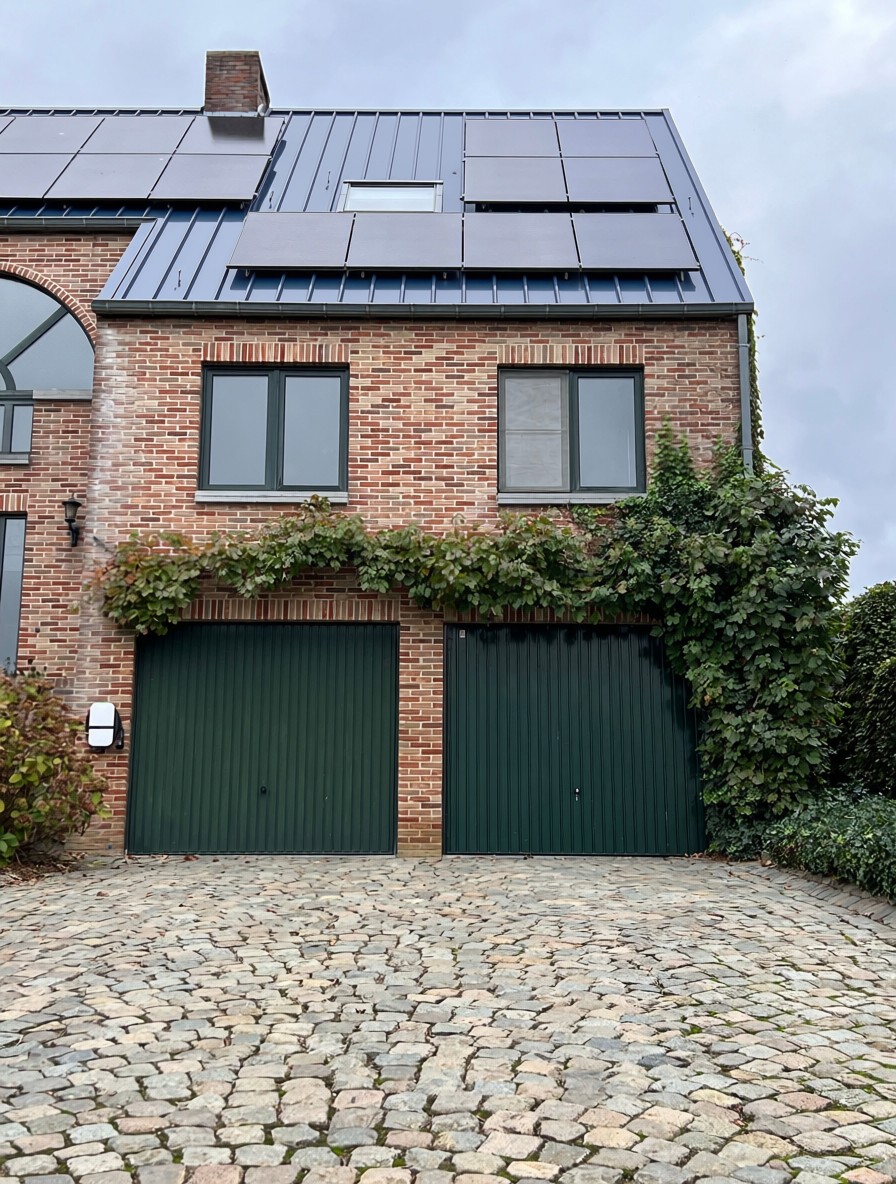
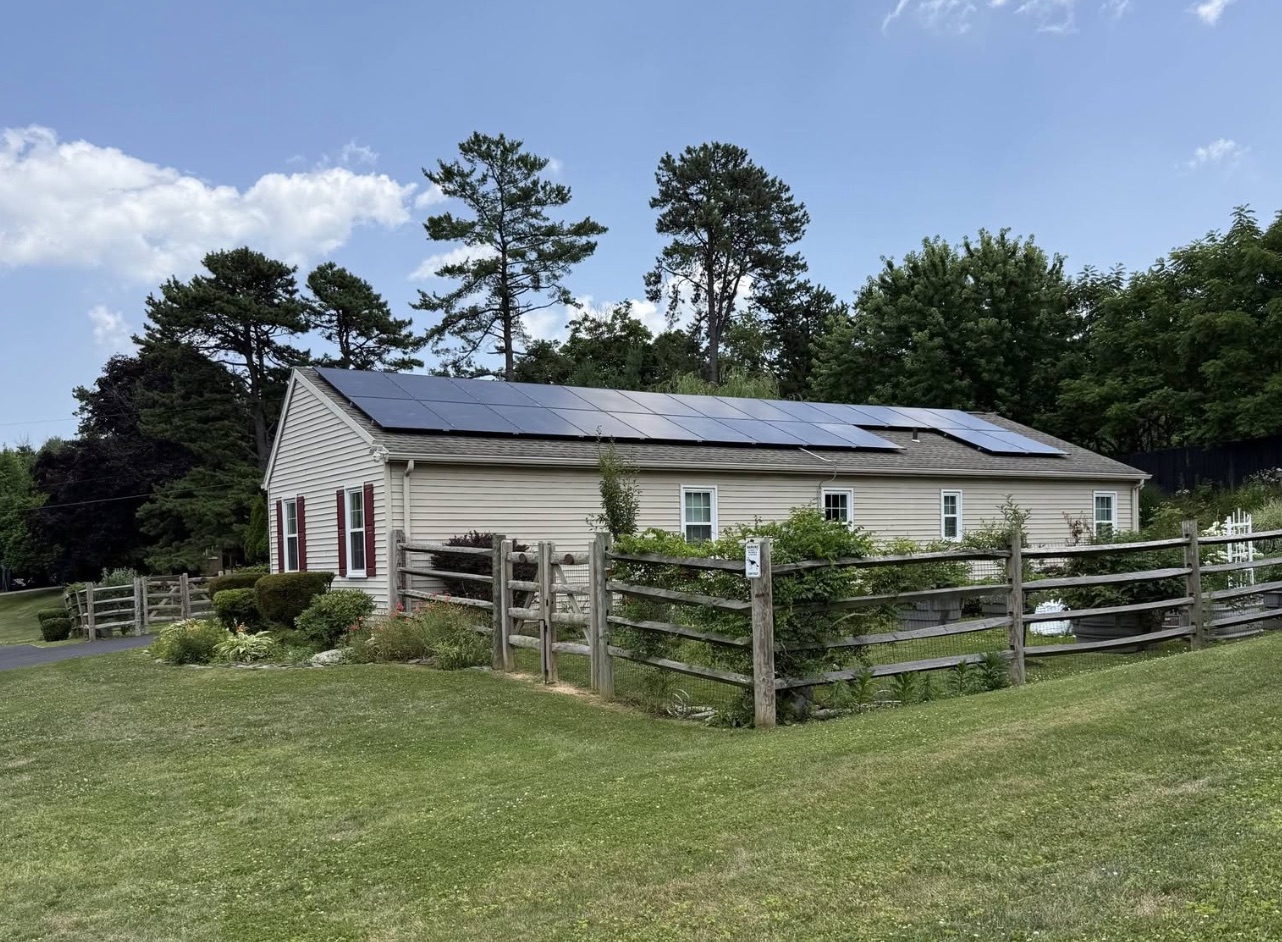
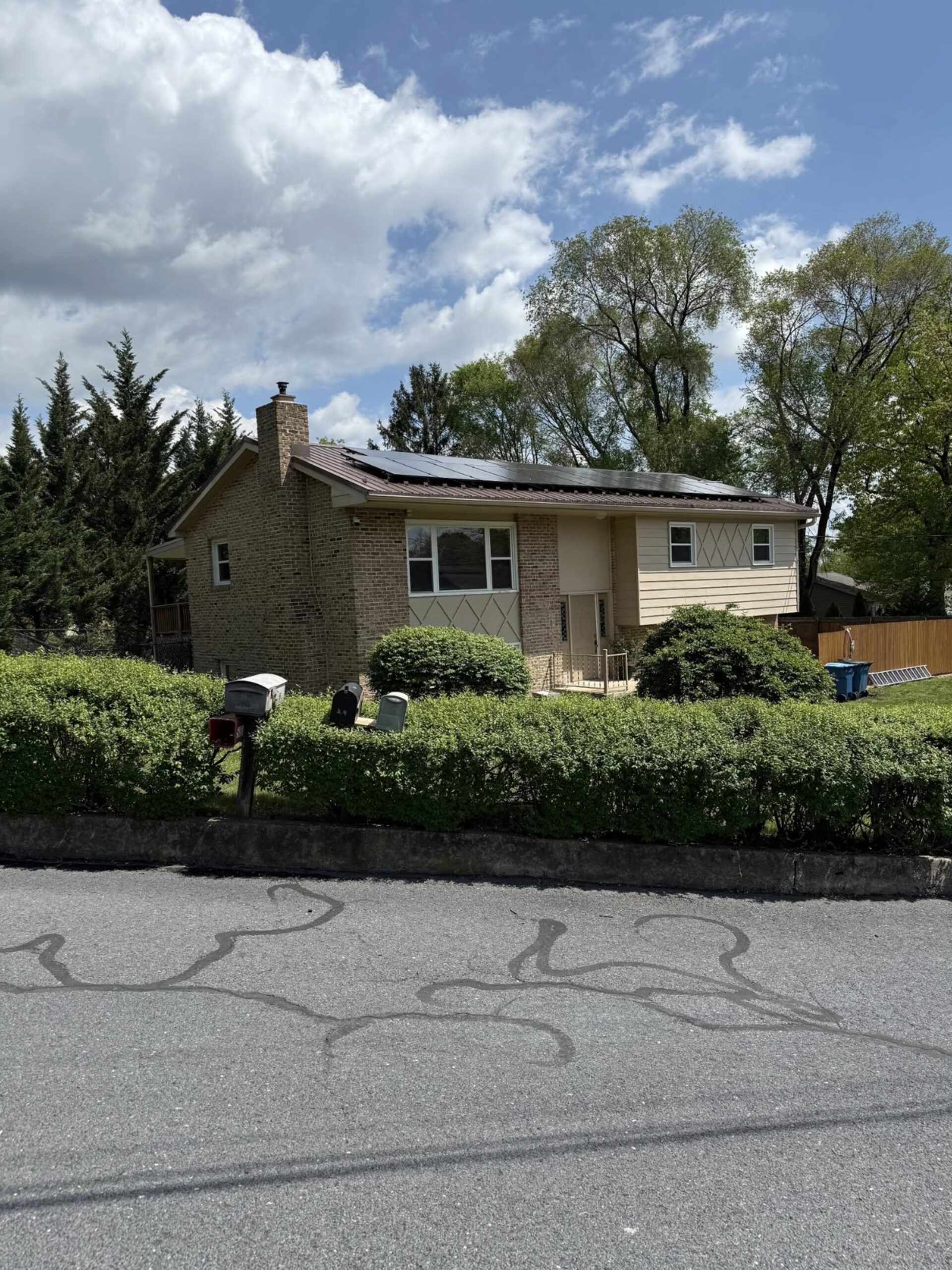
There are only a few real levers. Use less. Shift when you use it, if your rate structure rewards that. Or produce some of it yourself, which is the only option that meaningfully reduces how exposed you are to the next rate change.
None of those is automatically right for every house. Producing your own power depends on your roof, your shade, your usage and your utility territory, and for some homes it simply does not pencil out. But it is the only lever that addresses the actual problem rather than the symptom.
If you want to know which category your house falls into, that is a knowable thing — and the answer should come with numbers, not a pitch.