If you have neighbors on a different utility, you have probably compared bills and wondered why the rates look so different. In Pennsylvania, that is by design. PPL, Met-Ed, PECO, Penelec and West Penn Power each set their own rates, and comparing them takes understanding how a Pennsylvania electric bill is actually built.
Your Bill Has Two Halves
Pennsylvania has a deregulated electricity market, which means your bill splits into two parts:
- Supply is the cost of the actual electricity. This is the part you can shop, and if you do nothing, you pay your utility's default rate, called the Price to Compare. It changes on a set schedule.
- Distribution is the cost of delivering that electricity over the poles and wires. This is charged by your utility, it is regulated, and you cannot shop it. It has been trending up across the board.
Comparing utilities by supply alone is misleading, because distribution is often where the real money and the real increases live. The number that matters is your total delivered cost per kilowatt-hour, both halves together.
Why the Rates Differ
Each utility serves a different territory with different infrastructure, different distances between homes, and different upgrade needs. A dense suburban grid and a rural one do not cost the same to run. That is a big part of why a PPL customer and a Met-Ed customer a county apart can pay noticeably different rates for the same kilowatt-hour.
What they have in common is direction. Across Pennsylvania, default supply rates have been climbing. On December 1, 2026, all three reset again: PPL's price to compare goes from 13.079 to 14.428 cents per kWh (up 10.3%), PECO's from 11.759 to 12.944 cents (up 10.1%), and Met-Ed's from 13.954 to about 14.42 cents (up about 3%). We break down what the PPL increase costs a typical home. We cover the forces behind it in why Pennsylvania rates are rising.
The number that matters is not the supply rate. It is your total delivered cost, and in every territory it is heading the same way: up.
How to Compare Them Yourself
Because the exact cents change every few months, the honest move is to compare your own current numbers rather than trust a figure from an old article. To do it:
- Find your utility's current Price to Compare, printed on your bill and posted publicly by the Pennsylvania Public Utility Commission.
- Add the distribution charges from your bill to get your true all-in rate per kWh.
- Compare that all-in number over time, not month to month. A single bill hides the trend.
Why Switching Suppliers Only Buys Time
You can shop the supply half of your bill, and sometimes you will find a lower rate for a while. But two things limit it: the distribution half keeps rising no matter who supplies your power, and competitive supply offers are often teaser rates that reset higher later. Shopping suppliers can help at the margins, but it does not change the direction of the bill. We explain this in more depth in why your electric bill keeps going up.
How Solar Changes the Comparison
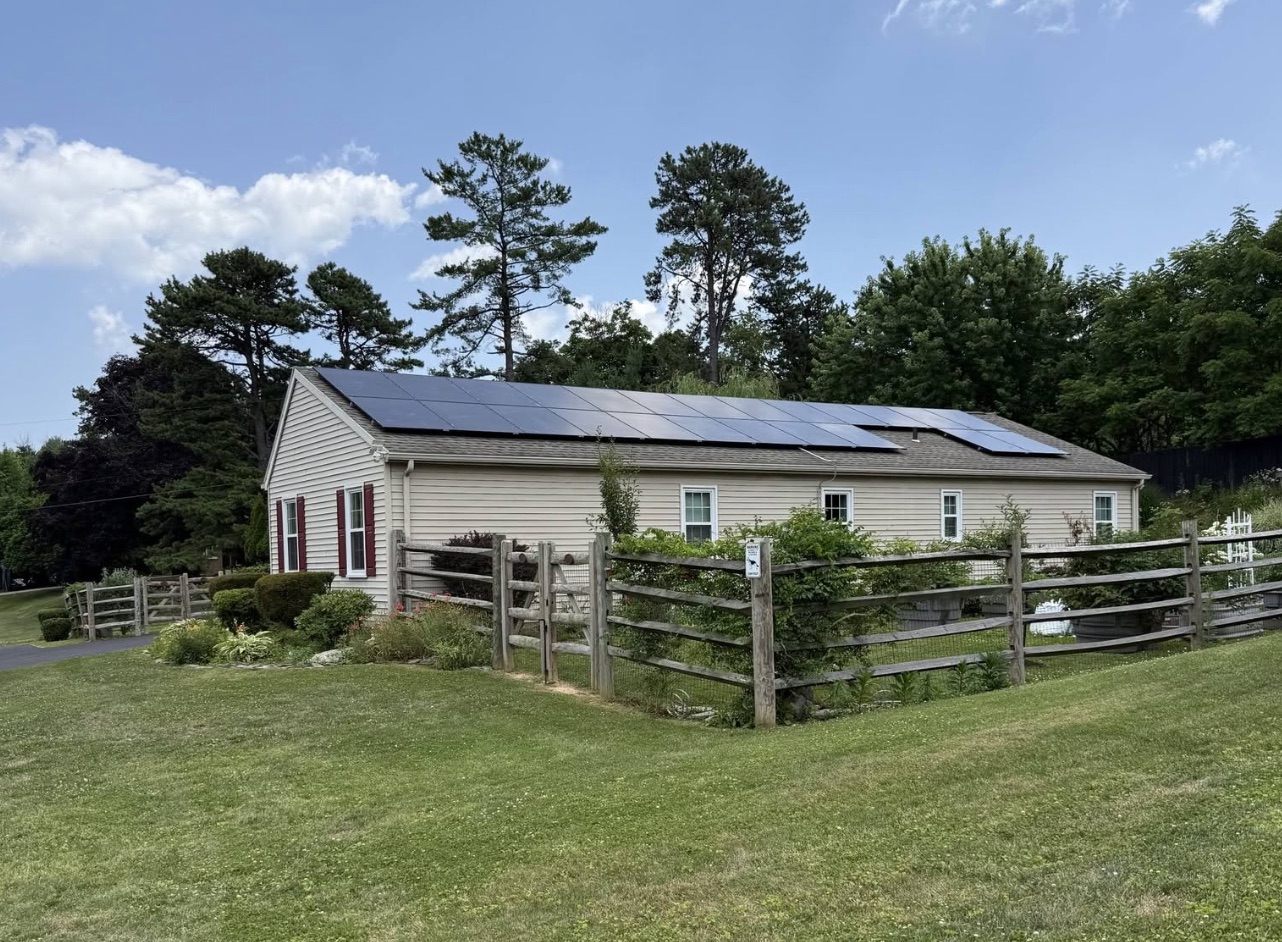
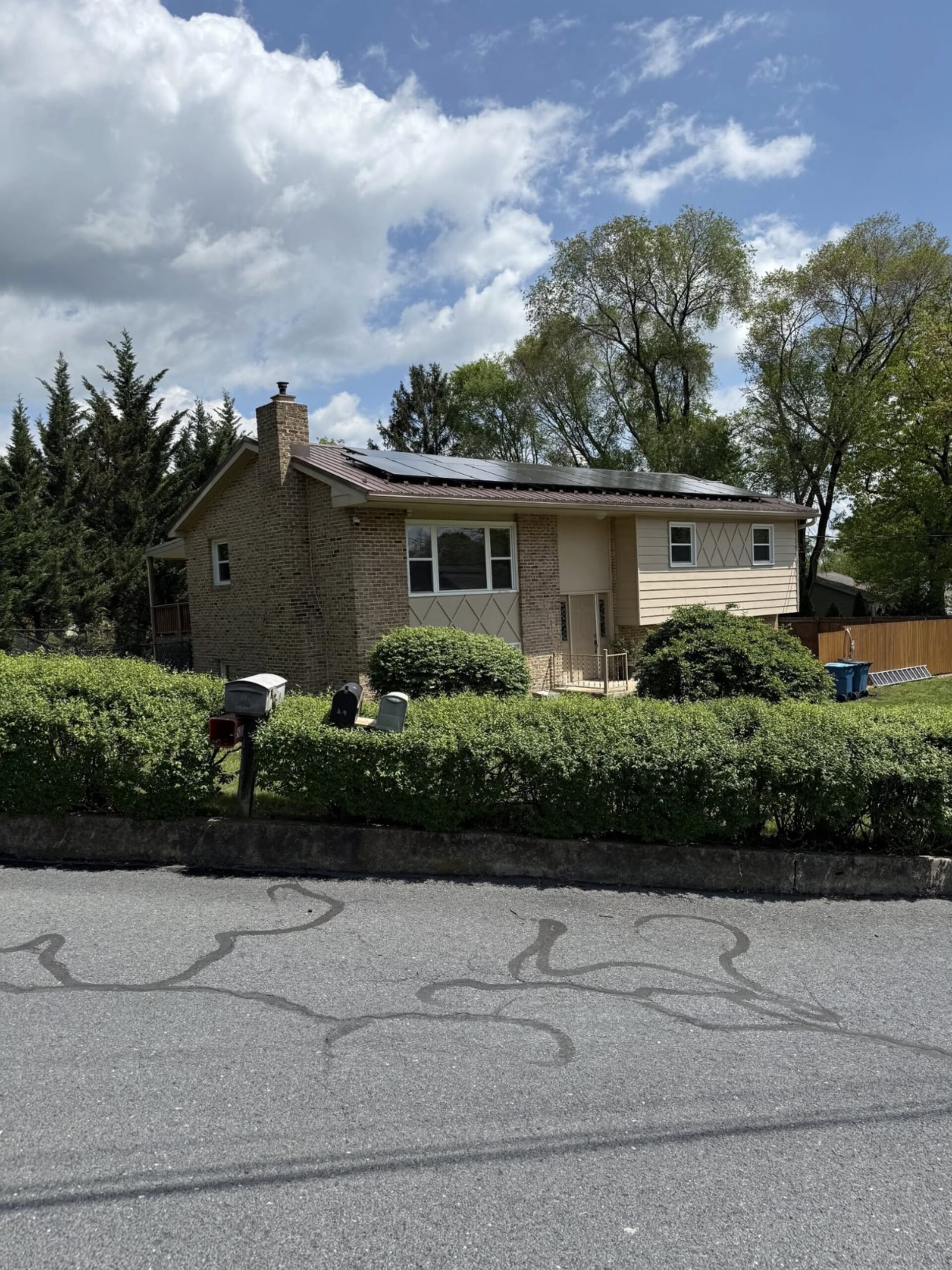
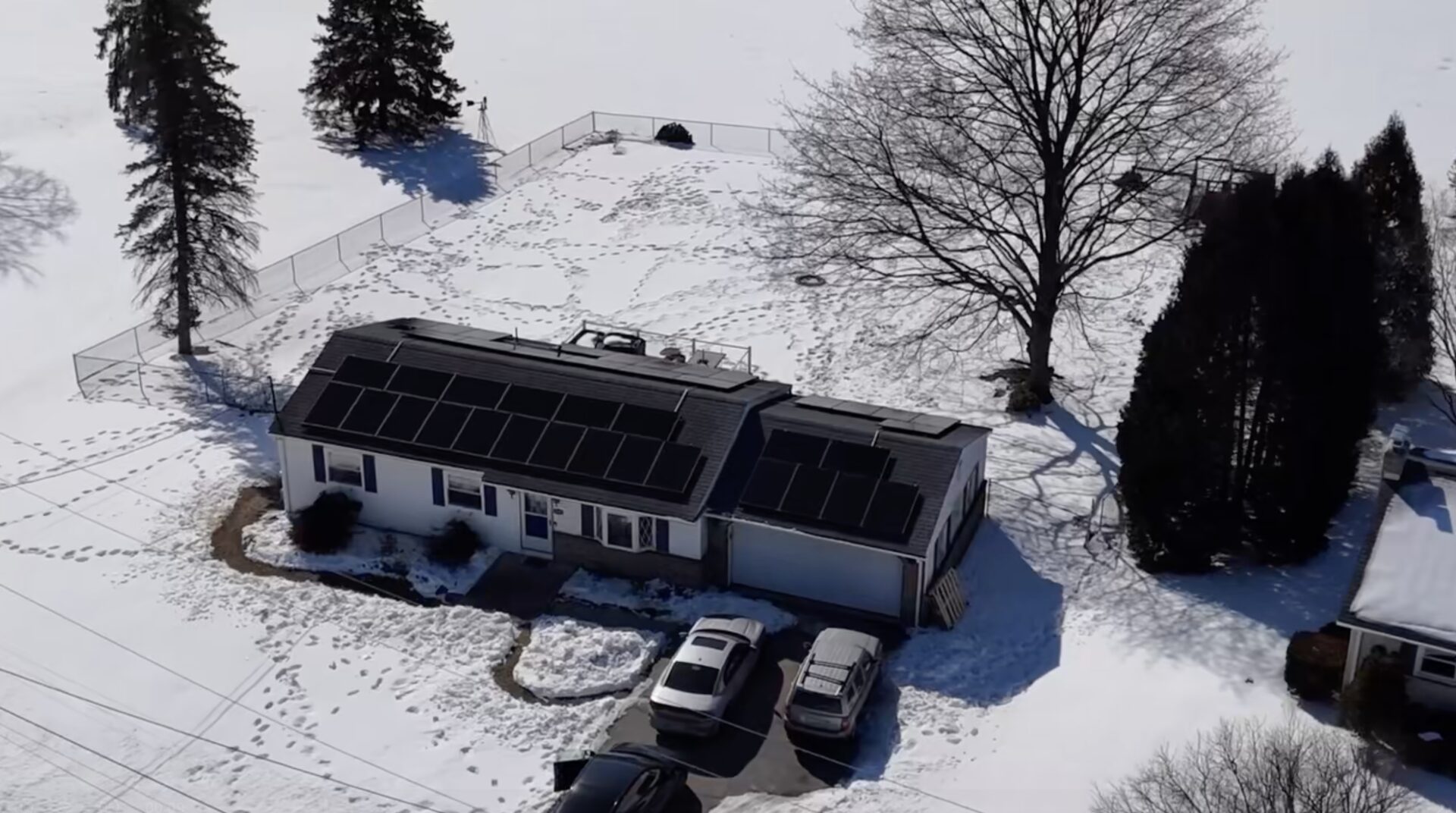
Solar does not care which of these utilities you are on. In every PPL, Met-Ed, PECO, Penelec and West Penn Power territory, the same logic applies: the power your roof produces is power you are not buying at a rising rate, and net metering credits the surplus. Instead of comparing which utility raises your rate the least, you are replacing a large share of that rising cost with a fixed one you control.
If you want to see what that looks like on your bill, in your territory, a free design will show you the numbers side by side.