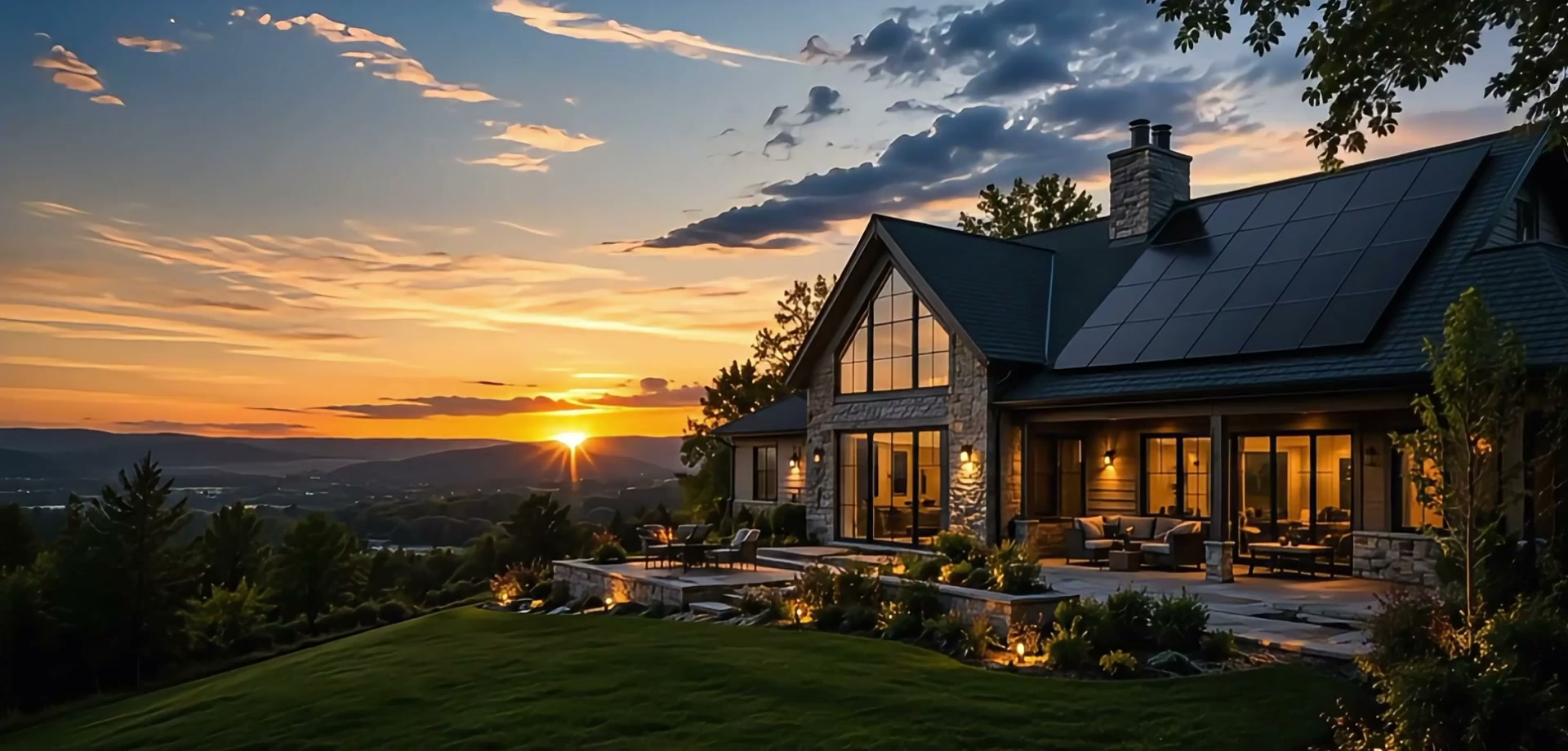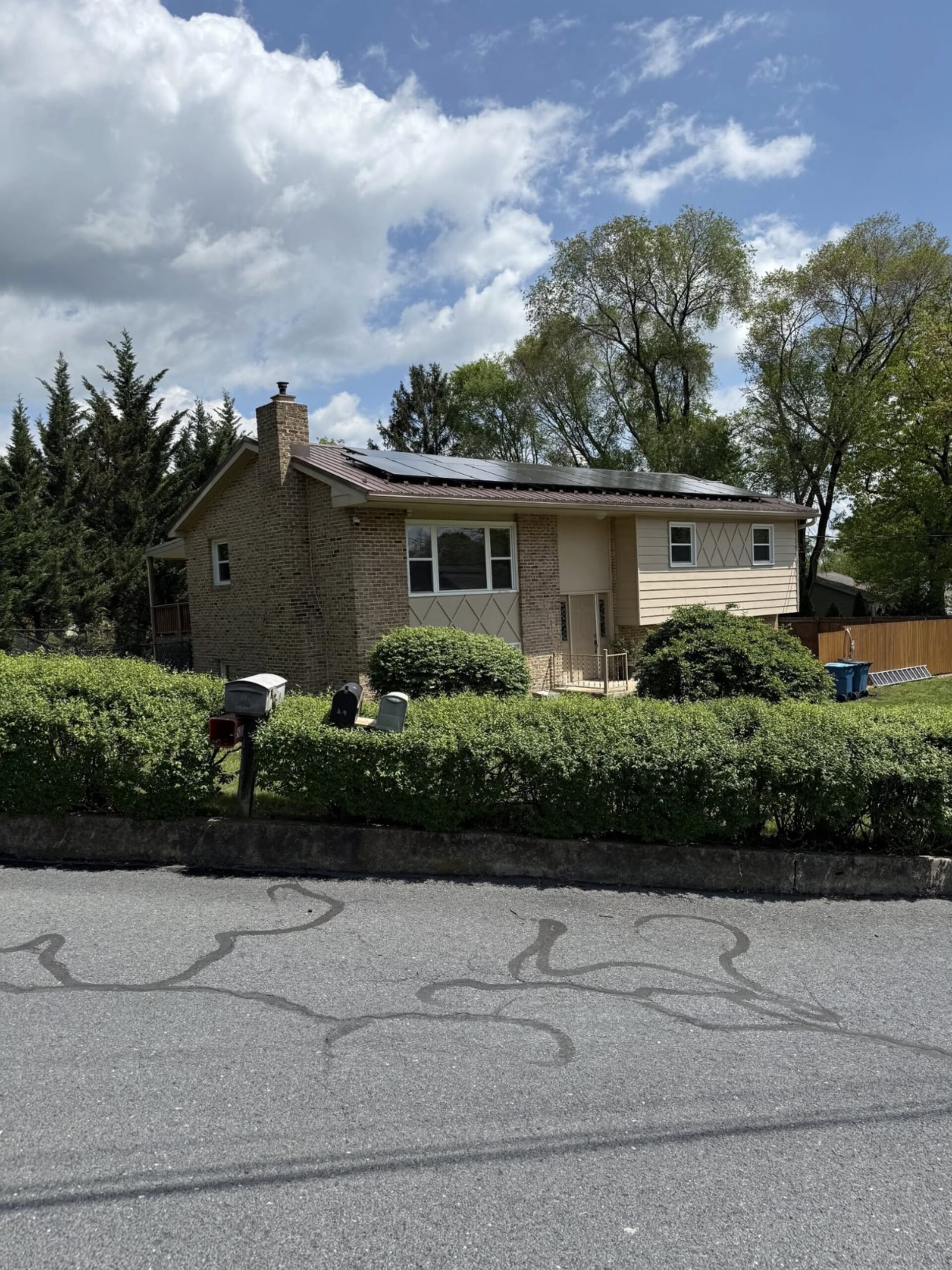
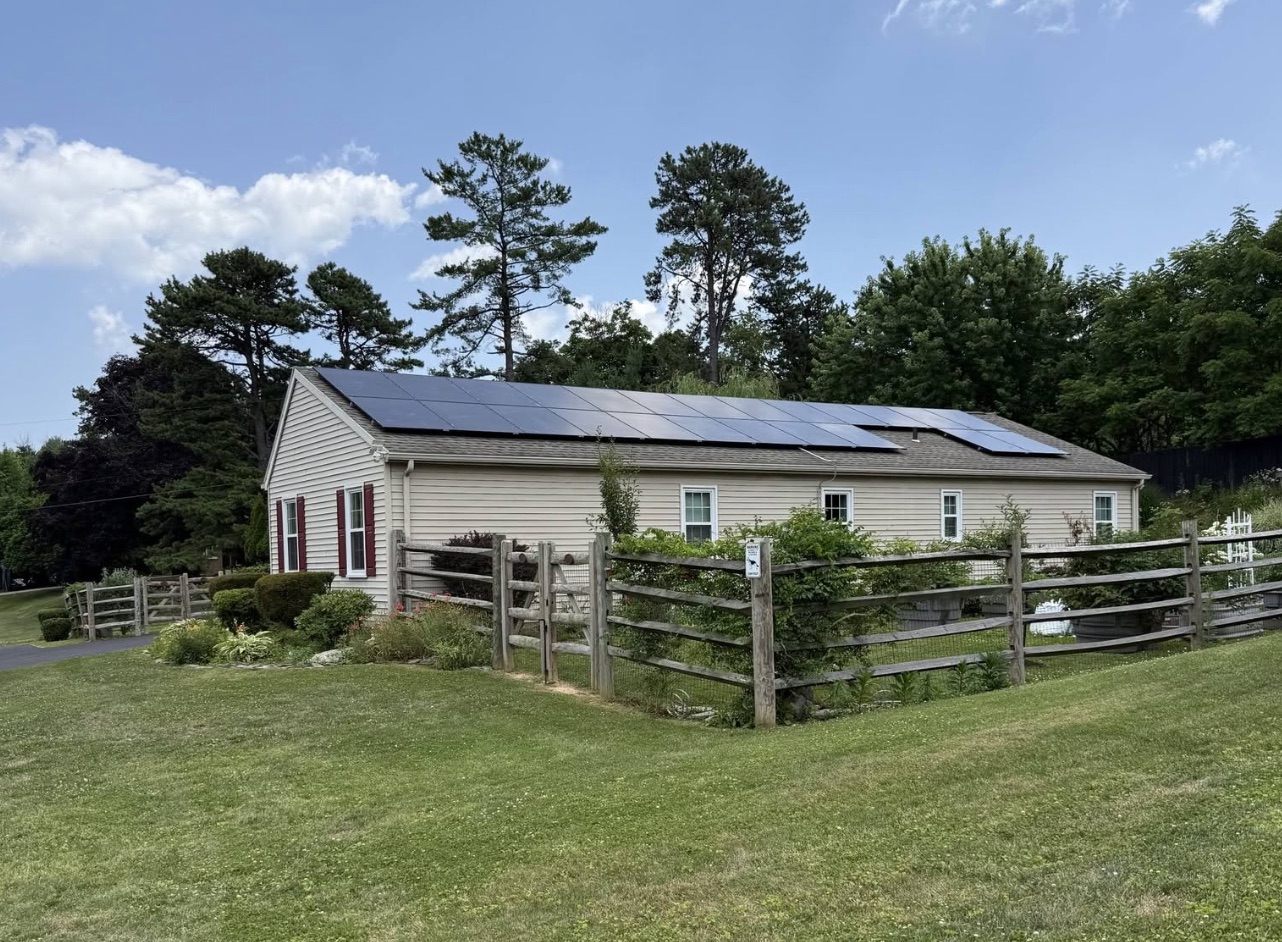
It is the question we hear more than almost any other from Central Pennsylvania homeowners: what happens in winter? Between the cold, the snow and the short December days, it is a fair thing to wonder. The short answer is that solar works fine through a Pennsylvania winter, and the longer answer is worth understanding before you decide.
Cold Weather Actually Helps
This surprises most people. Solar panels run on light, not heat, and they are actually more efficient in cold temperatures. Panels are rated at a specific temperature, and on a crisp, clear winter day they often produce at or above their rated output. Heat, not cold, is what quietly drags down panel efficiency in the peak of summer.
The Real Winter Factor: Shorter Days
The honest tradeoff in winter is not temperature, it is daylight. Days are shorter and the sun sits lower in the sky, so a winter day produces less than a long June day. This is completely normal and fully expected. A properly designed system is sized around your annual production, with the long summer days doing more of the work and the short winter days doing less.
A good system is not designed for a single December afternoon. It is designed for the whole year.
What About Snow?
Snow can temporarily cover panels, and while it does, production drops. In practice this is a small slice of the year for a few reasons:
- Panels are dark glass mounted at an angle, so they warm in sunlight and shed snow faster than the roof around them.
- Snow that does accumulate usually slides or melts off within a day or two of the storm.
- Central Pennsylvania's snow cover is measured in days, not months, so the annual impact is minor.
Cloudy Days Still Count
Panels produce on overcast days too, just less. They capture diffuse light through cloud cover, so a gray Pennsylvania afternoon is a reduced-output day, not a zero-output one.
How Net Metering Carries Summer Into Winter
This is the piece that ties it together. Under Pennsylvania net metering, the excess power your system sends to the grid on long summer days earns you credits, and those credits offset the power you pull back in the darker months. So your system is not judged one winter day at a time. It is judged across the year, with summer surplus helping to cover winter demand. We explain the mechanics in how Pennsylvania net metering works.
The Bottom Line
Pennsylvania is well within the range of climates where solar makes sense. Cold helps, snow is a minor and temporary factor, and a system designed around your annual usage accounts for the short days by design. If you want to see the seasonal production estimate for your specific roof, a free design will show you the whole year, month by month.